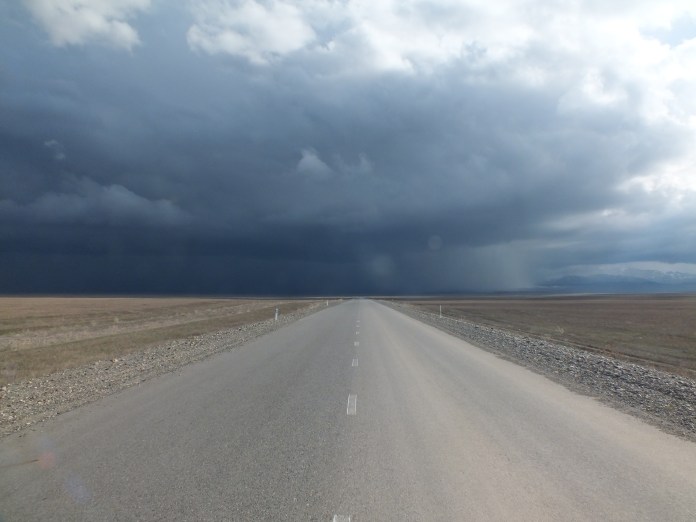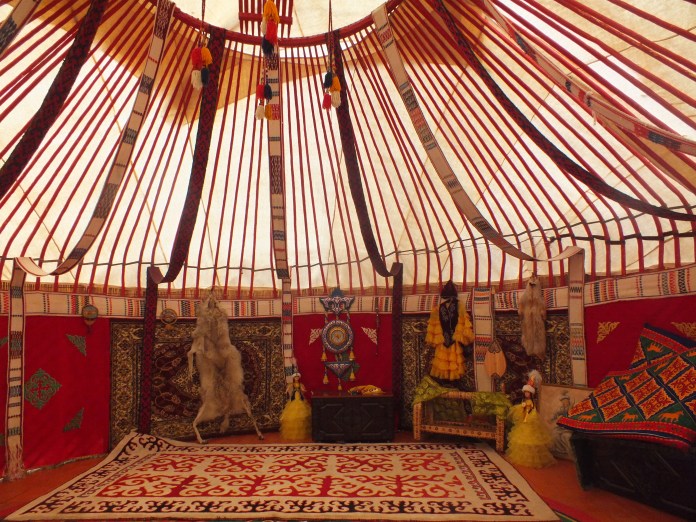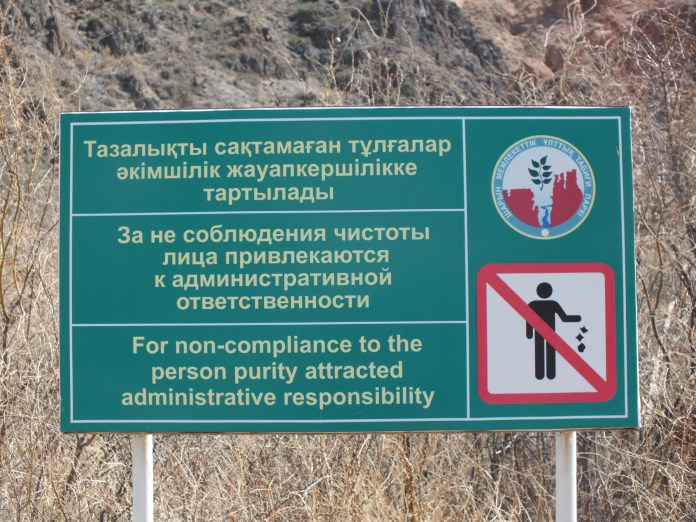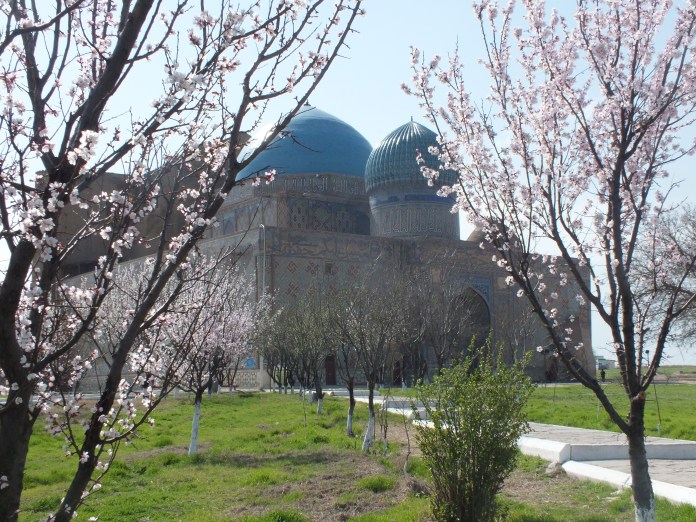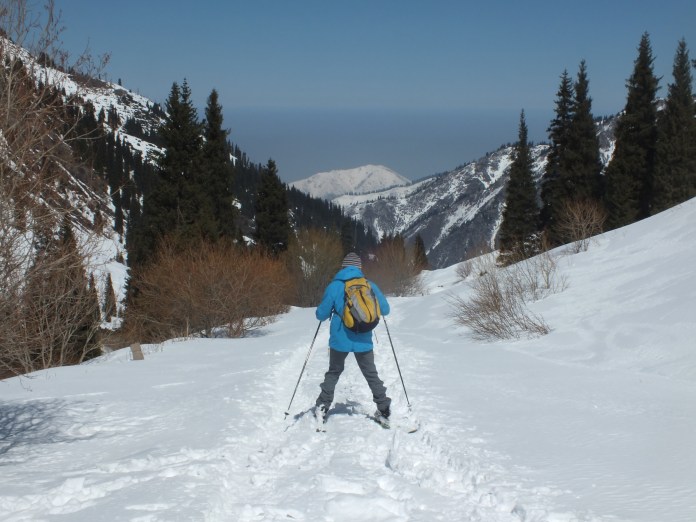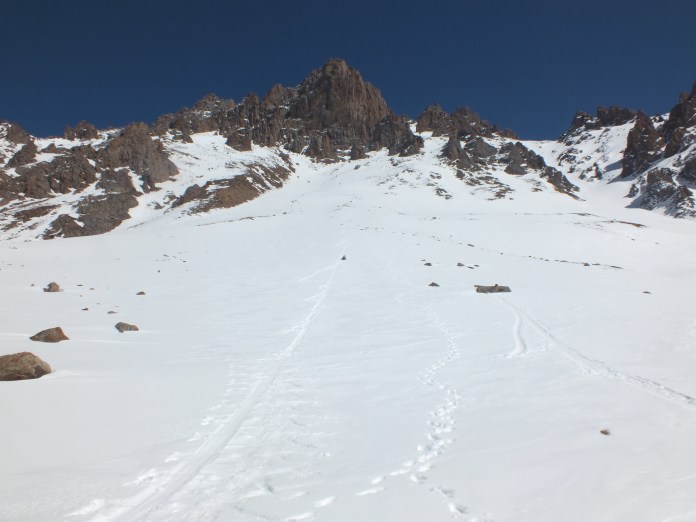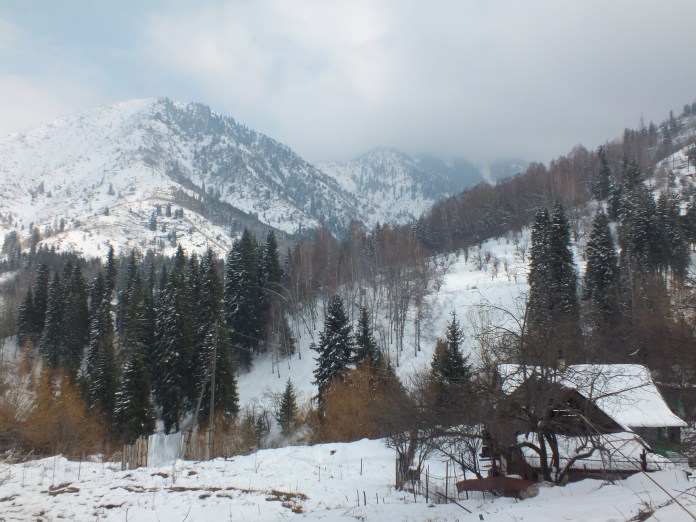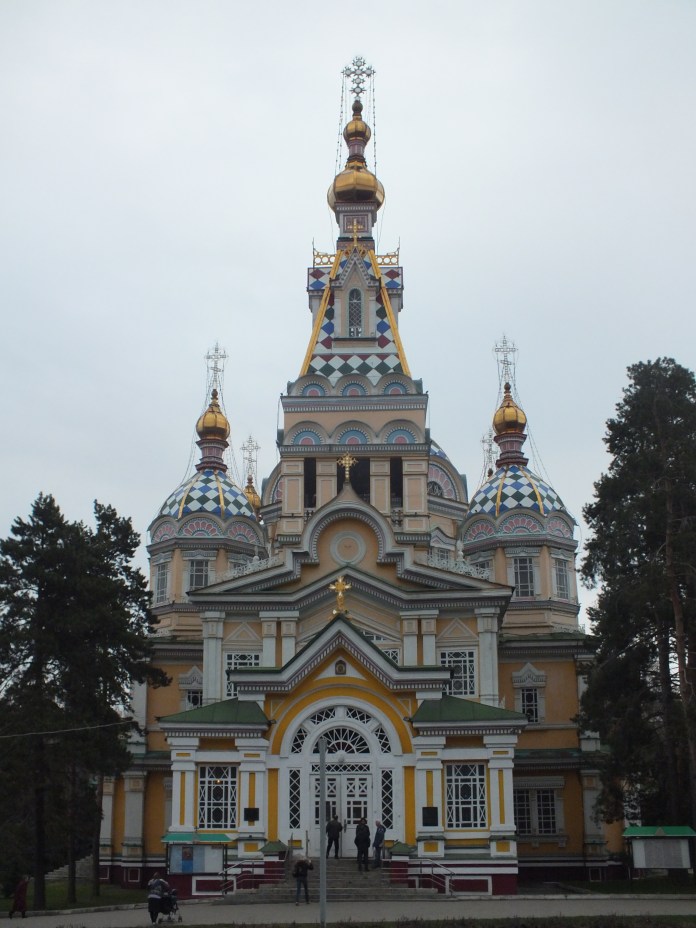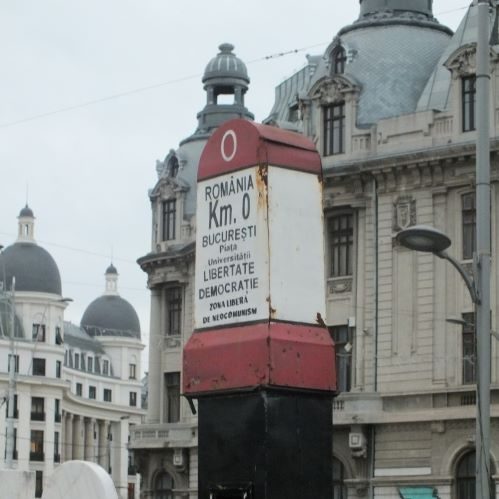

Kazakhstan is vast and everything is very far away from everything else, so we needed to find a guide with a car. Andrei was a graphic designer when he wasn’t a guide and he often seemed to speak in Photohop English, speaking about the landscape using terms like layers, background, foreground, contrast, shadow, dimension, shape, focus.

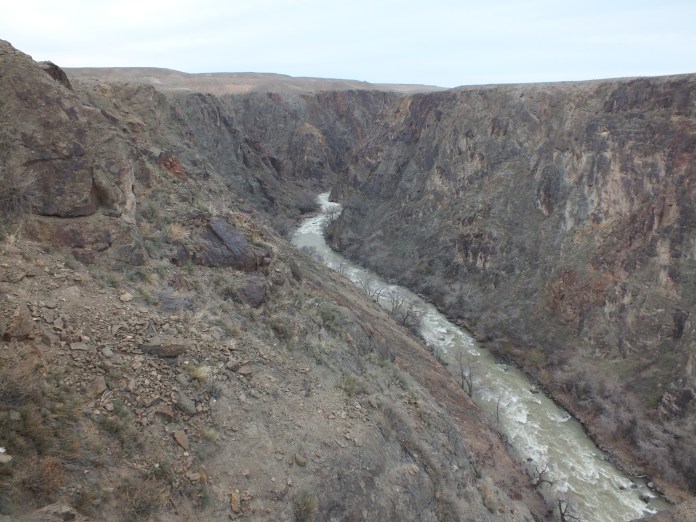
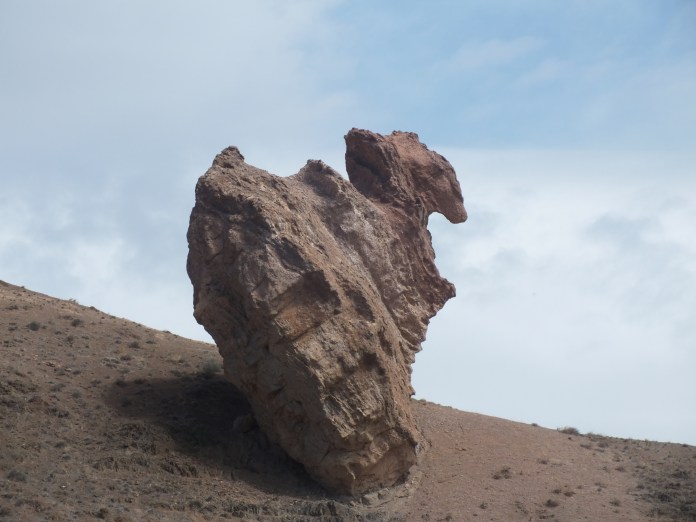
We drove east to Charyn Canyon (‘like the Grand Canyon, only prettier’ is how it’s advertised) and descended into the Valley of Castles. We were alone, apart from the occasional little eagle and steppe mouse. The rocks towered above, balancing impossibly. Andrei asked us what we saw in the rocks, and we all saw a squirrel crossed with a turkey.
At the end of the Valley of Castles we came to a fast-flowing river lined with sogdian ash trees, ancient and rare trees which were just coming into leaf. Andrei pulled out a picnic: a stove and coffee pot, and a Russian Easter kulich. No Kazakh walk is complete without cups of steaming tea or coffee, even if only drunk out of a plastic water bottle cut in half.


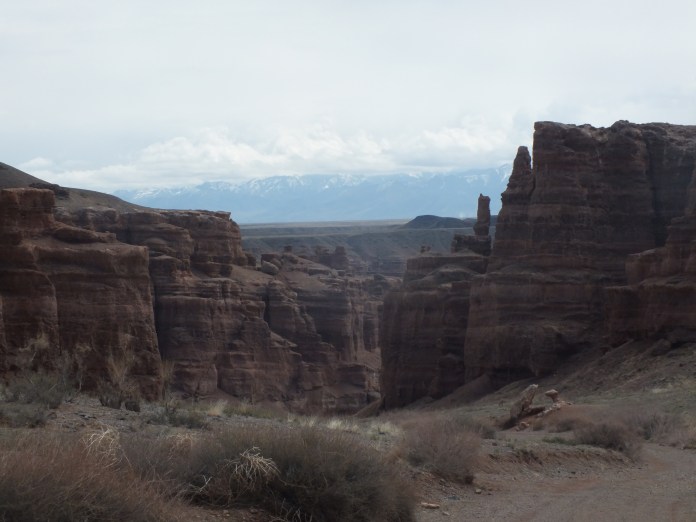
Andrei asked if we wanted to go extreme. It wasn’t really that extreme, but it was a proper little adventure across sandy slopes and steep rock faces. We climbed up around the back to reach the top of the canyon, where the view was spectacular. The canyon stretched out for 200km and behind it were snowy mountains in the background. We saw other people beginning to arrive as specks on the dusty road below.

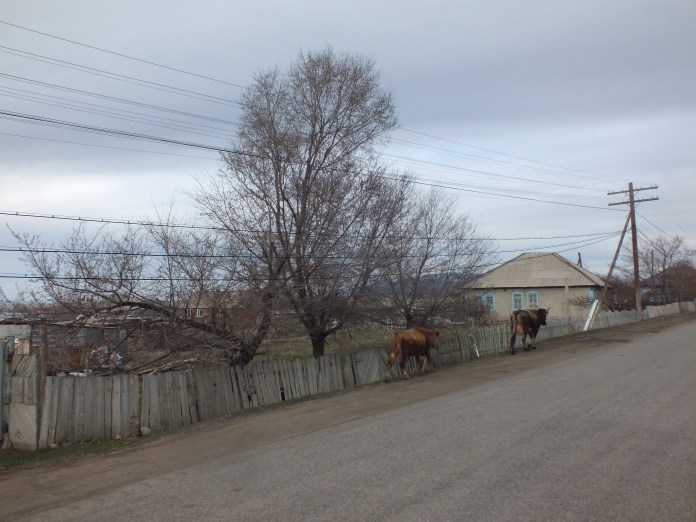
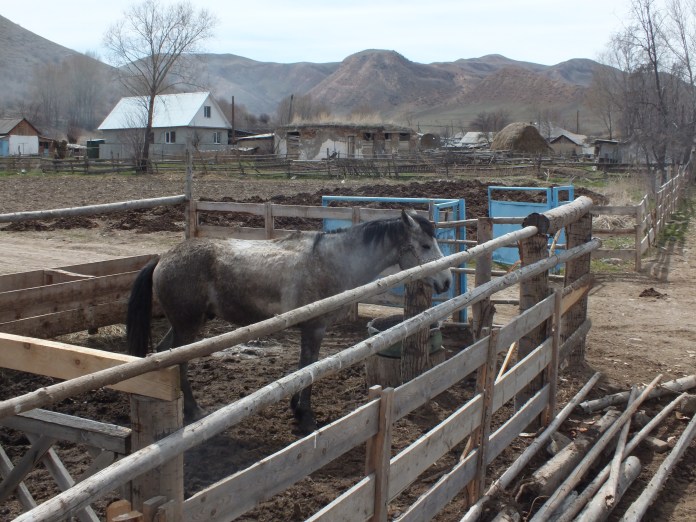
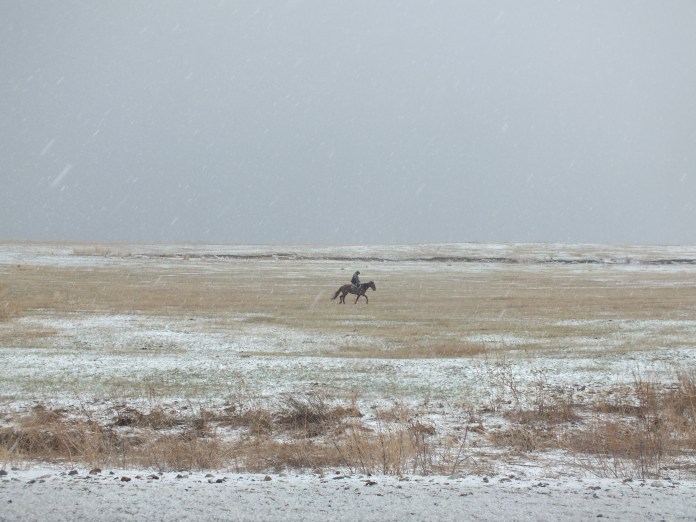
Afterwards, driving towards our guesthouse, an approaching storm turned the sky black. Hailstones the size of chickpeas beat down on the car, and the landscape turned white. A man galloped past, huddled in a duvet-like coat, while the poor animals stood looking miserable, covered in hail and snow. The villages we passed through were deserted and covered in a thin white blanket of snow, while smoke rose out of the grim and damp-looking wooden houses.
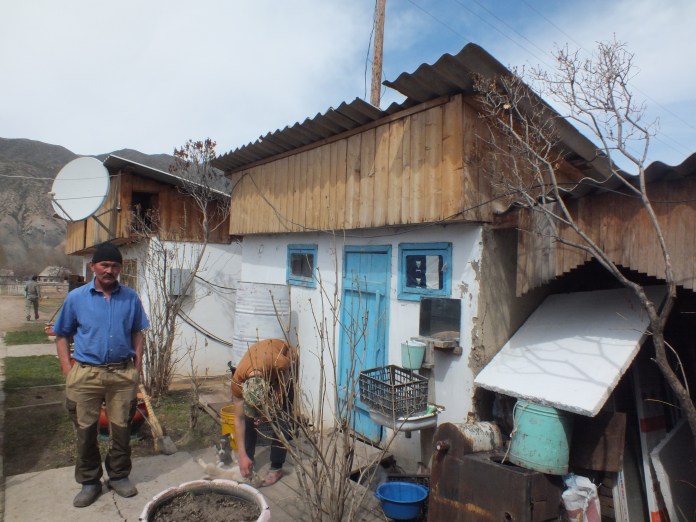
The storm had missed the village of Saty. We arrived at a smart wooden guesthouse and sat down with our host on a sofa next to the stove. ‘Why are you vegetarian?’ he asked Sophie. ‘Meat is power.’ There was no arguing with him. After warming up and sweating everything out in the tiny wooden banya, we returned inside and were presented with a noble Kazakh attempt at vegetarian food: a mountain of roast potatoes and a few carrots. But there also were glass bowls with the most delicious blackberry jam and plates of freshly made baursak, Kazakh fried bread. And more rahat chocolate of course.
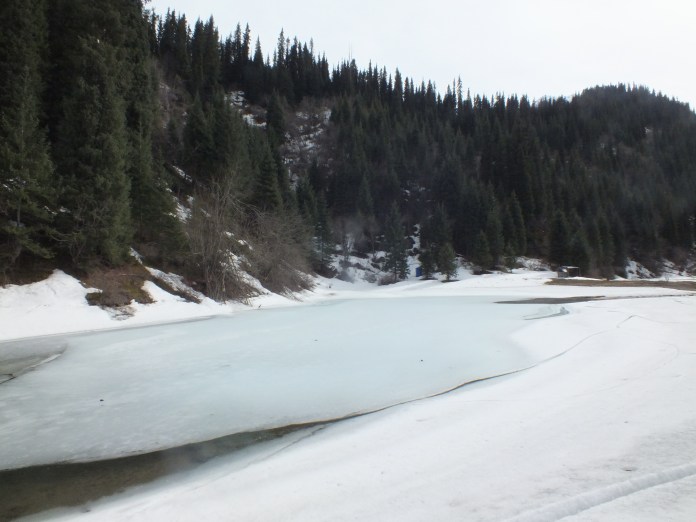
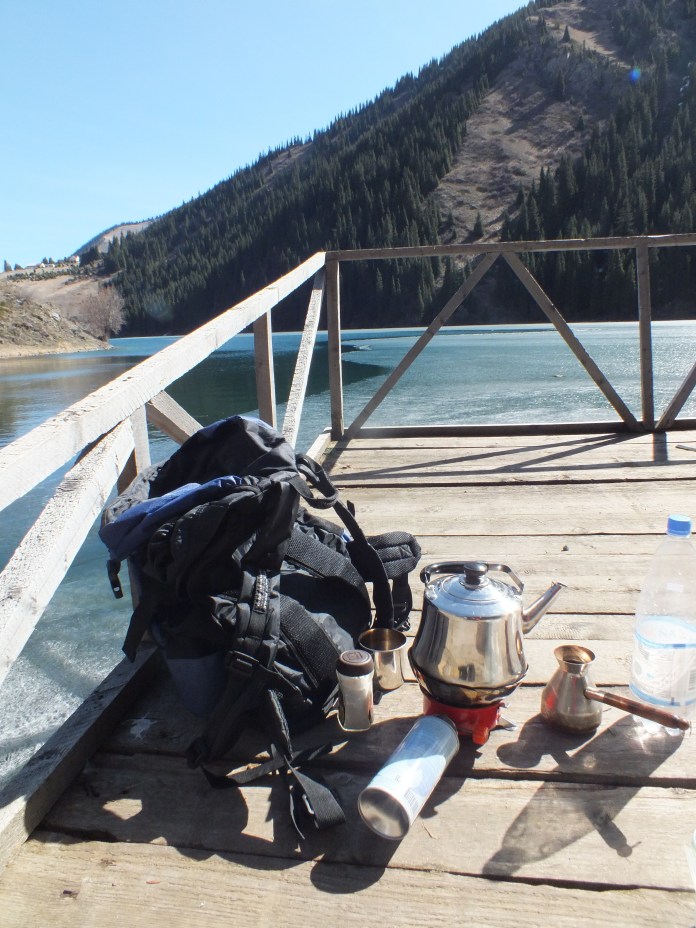
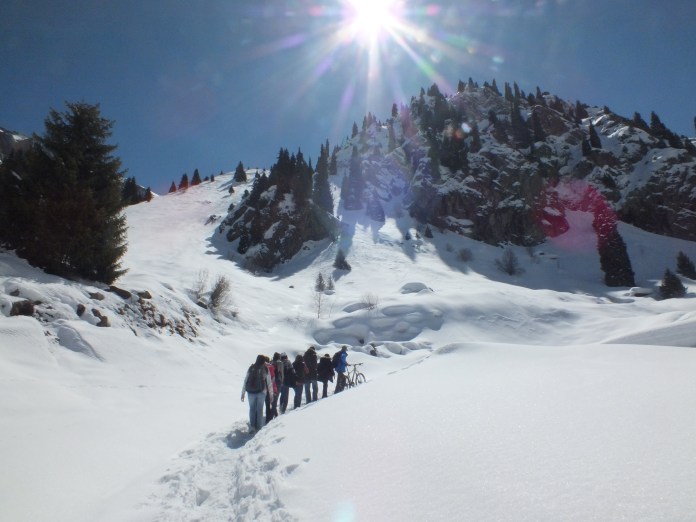
The following day we drove towards the Kyrgyz border, an area patrolled by guards on horseback with rifles slung across their chests, looking just like cowboys in westerns apart from their great padded coats. We showed our passports to enter into the mountains and arrived at Kolsai Lake. It glittered and sparkled in rainbow colours between fir-covered mountainsides. We walked to a part of the lake still frozen and sat on a jetty drinking tea, watching ducks fly overhead and listening to the deep, alarming, thuddering sounds of the ice sheet cracking.

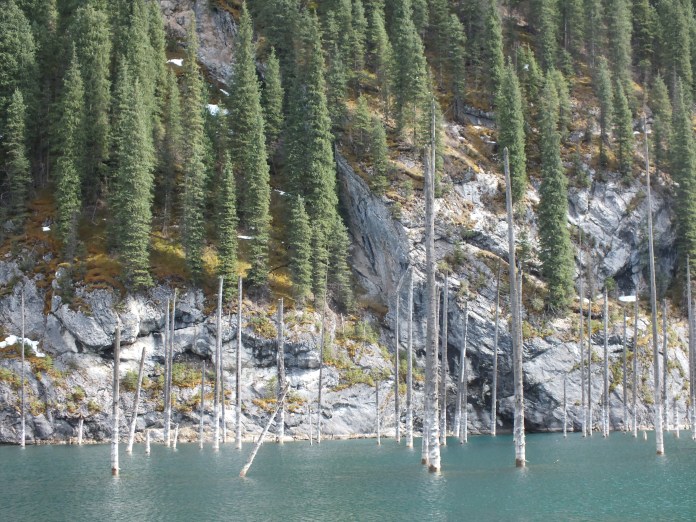
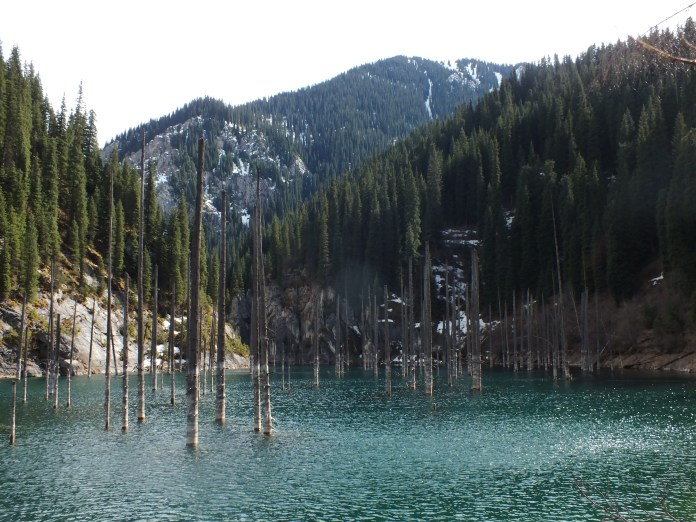
I think the most beautiful place we visited though was Kaindy Lake. Formed after a landslide in 1911 which blocked the river and flooded a forest, it is a haunting place. Skeletal, bleached tree trunks still stand in the water, utterly dead but together creating a strangely alive and alert atmosphere.
On the long drive home we listened to Andrei’s music: Armenian rappers boasting about being macho and women demanding big beards, a satirical Russian song about Barbie, Ukrainian bikers dreaming of freedom, a rapper’s remix of Borodin’s Prince Igor, and – best of all – a song I’ve been looking for since my trip to Georgia (in 2014!) about there being no train from Moscow to London.
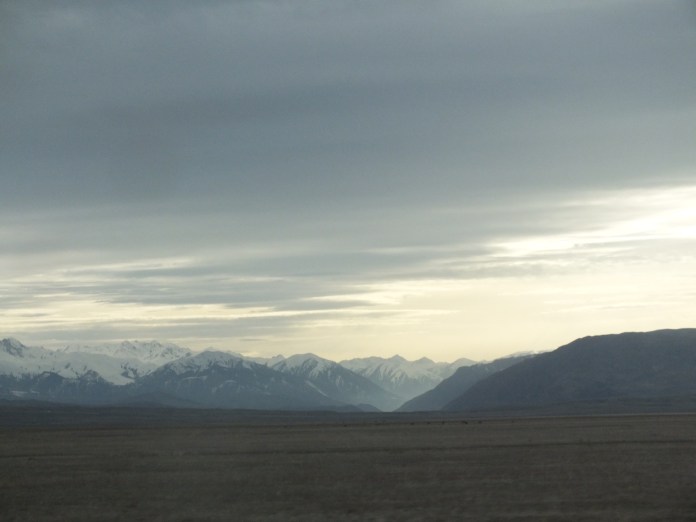
We drove across the vast, flat, open landscape, past distant snowy mountains over which the sun was beginning to set, watching an eagle briefly fly along with us, almost like a dolphin. As it grew dark, we passed along a deep black canyon in which raged a white foaming river, and once more returned to that flat, never-ending grassland, as we listened to a beautiful Ukrainian voice sing his love song to the sky.
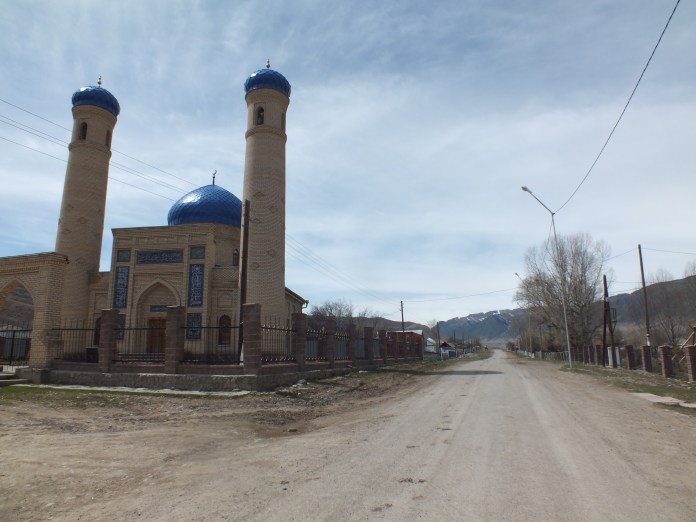
Kazakhstan was a strange place. Between the Russian dominance and Uzbek, Korean, Georgian, Ukrainian or American influence, it was full of contradictions: rough concrete houses and super-expensive shops, beautiful mosques and aisles full of vodka, developed cities and a yearning to live in a yurt and kidnap a wife. Answers to questions conflicted: the stress in Kazakh is always on the first syllable said one man, but another told us it was always on the last syllable. Yes, it is still possible to visit the wild apple forests, but no, they were all cut down years ago. But come back in autumn – it’s really beautiful then, they promised.